

Spokesperson of the Food and Drug Administration
Emphasizes:
Pharmex to Showcase the Resilience of Iran’s Pharmaceutical Industry
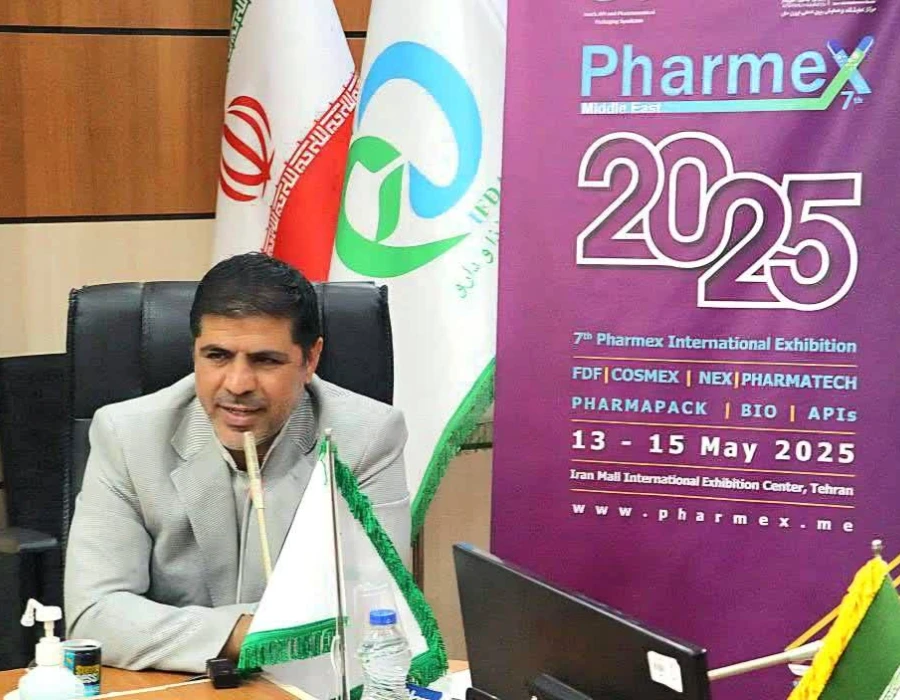
Dr. Mohammad Hashemi, spokesperson for Iran’s Food and Drug Administration (FDA), emphasized the importance of the upcoming Pharmex Exhibition, scheduled for late September this year. He stated that Pharmex should serve as a platform to convey the message of self-sufficiency and resilience of Iran’s pharmaceutical industry to the world.
🔹Speaking with PharmaNews, Dr. Hashemi stressed that this year’s Pharmex should be more than just a commercial exhibition; it should demonstrate the strategic maturity of Iran’s pharmaceutical raw materials industry.
He noted that, while Israel and the United States have repeatedly targeted critical infrastructure, including petrochemical facilities, in an effort to disrupt supply chains, the exhibition must send a clear message of resilience and self-reliance. By highlighting domestic capabilities, Pharmex should transform concerns into confidence and optimism.
Explaining the strategic objectives of the exhibition, Dr. Hashemi stated that Iran’s pharmaceutical industry has faced unprecedented pressure in recent months. Attacks on energy and petrochemical infrastructure have created challenges for the pharmaceutical raw material supply chain. However, field assessments indicate that these challenges have never resulted in despair or interruptions in production.
He emphasized that domestic raw material manufacturers, relying on indigenous technical expertise, have not only endured these pressures but have adapted to the new conditions with even greater agility. Pharmex should provide an opportunity to showcase these achievements and reassure healthcare professionals and the public that the vital pharmaceutical supply chain remains secure and uninterrupted.
🔸Dr. Hashemi further noted that the experiences of the recent 12-day and 40-day conflicts demonstrated the resilience and dedication of healthcare stakeholders, from manufacturers to pharmacists. Despite logistical difficulties and physical damage to some facilities, pharmacies continued serving patients without interruption, while manufacturers worked tirelessly to maintain production.
He added that the memory of pharmaceutical professionals who lost their lives, including Dr. Samira Kariminejad and Dr. Maedeh Dehaghani, serves as an inspiration to further strengthen domestic production capabilities and continue their mission.
Regarding Pharmex’s role in addressing concerns arising from sanctions and external attacks, Dr. Hashemi stated that one of the primary objectives of Iran’s adversaries has been to create psychological insecurity and fears of medicine shortages. Pharmex should counter this narrative by demonstrating the true capabilities and quality standards of domestic pharmaceutical raw material manufacturers.
“When visitors witness that key pharmaceutical active ingredients are being produced domestically using advanced technologies and high-quality standards, confidence in the healthcare system will be reinforced,” he said. “The exhibition should serve as a showcase for innovative and manufacturing companies that have significantly reduced dependency on imports for strategic products.”
Dr. Hashemi also emphasized the importance of supply chain coordination during times of crisis. He explained that during periods of heightened tension, a joint command center established by the FDA and pharmaceutical distribution associations utilized real-time monitoring systems to manage the distribution of raw materials and finished medicines. This agile decision-making model helped preserve access to essential medicines and should now be institutionalized through Pharmex.
According to him, the exhibition should provide a platform for long-term agreements between raw material manufacturers and pharmaceutical producers in order to minimize potential disruptions caused by future conflicts.
Addressing the economic dimension of the exhibition, Dr. Hashemi stated that, given the vulnerability of petrochemical and production infrastructure to hostile attacks, Pharmex should focus on technologies that ensure manufacturing continuity under crisis conditions. He also highlighted the importance of supporting the geographic diversification of pharmaceutical raw material production facilities, reducing the risks associated with concentrated infrastructure. Pharmex should serve as a platform for attracting domestic investment in these strategic sectors.
In his concluding remarks, Dr. Hashemi stressed that participation in Pharmex sends a strong message to regional and international partners: despite all challenges, sanctions, and military attacks on its infrastructure, Iran possesses a robust and resilient domestic pharmaceutical industry.
He stated that Iran’s pharmaceutical sector is prepared not only to meet domestic demand through its raw material production capabilities but also to become a regional hub for pharmaceutical exports. According to him, this represents the strongest response to those who seek to weaken Iran’s healthcare system.
Dr. Hashemi concluded by affirming that the Food and Drug Administration supports all initiatives that demonstrate the growth and advancement of Iran’s healthcare and pharmaceutical sectors. He noted that the strength of today’s pharmaceutical industry is the result of years of dedication by Iranian experts who have never allowed the wheels of pharmaceutical production to stop turning.
“Pharmex 2026,” he said, “can become a symbol of national determination overcoming external challenges and a milestone in the continued development of pharmaceutical self-sufficiency in Iran.”
Pharmaanews